car
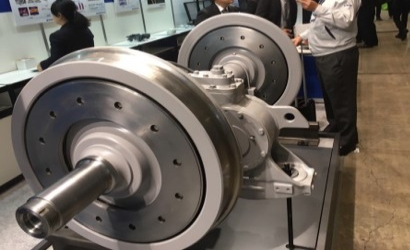
"Zero Shin," an automatic balancer for vehicles.
Considering various mounting methods to match the wheels
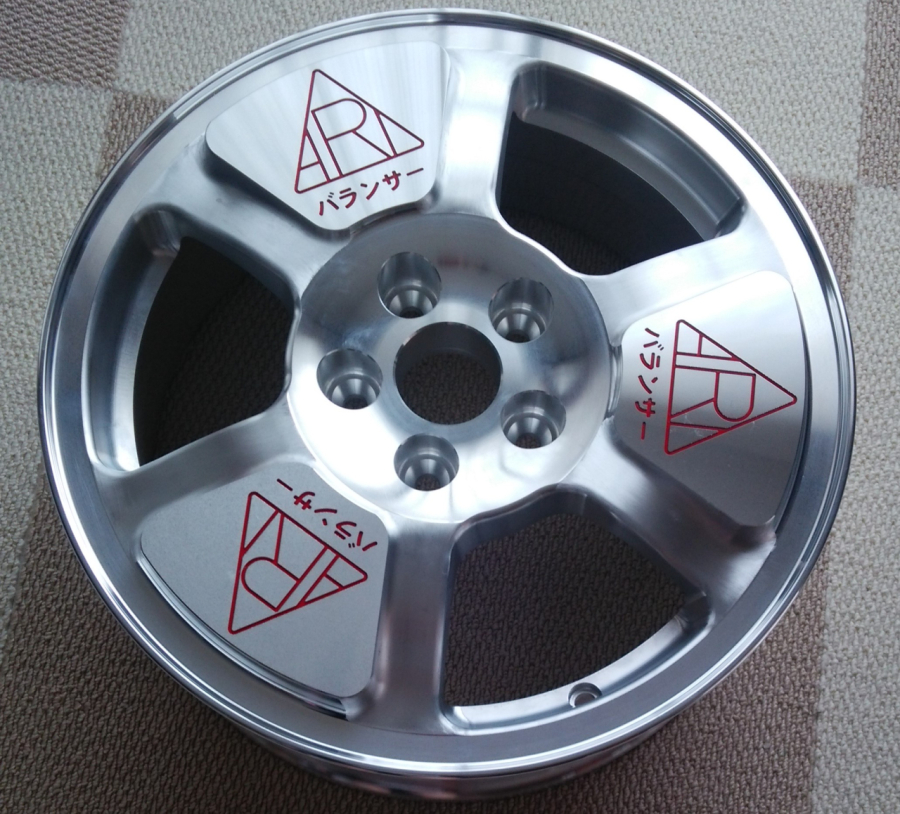
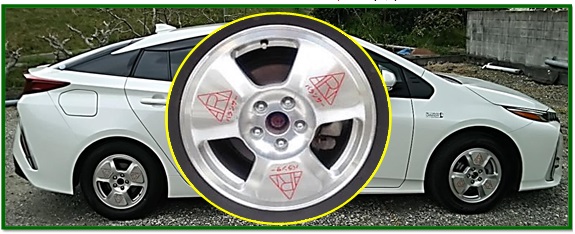
Automatic balancer "Zero Shin" aluminum wheels
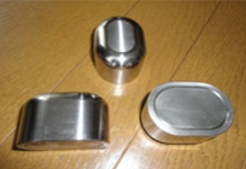
Three-point mounting automatic balancer "Zero Shin"
Automatic balancer "Zero Shin" aluminum foil attachment effect
Maintaining zero-center rotation in response to load fluctuations
・Extension of maintenance cycle
・ Extended lifespan of bearings, brake pads, and tires due to even wear.
・Reduction of vibration levels, vibration noise, and lubricant consumption.
・Improved indoor quietness
・Reduced steering wheel vibration due to vibrations, improving steering performance.
・ Reduces impact from foreign objects interfering with the drive, improving safety.
・Reduced engine load
・Stable driving on highways on windy days
・Leads to autonomous driving with a stable steering wheel.
・Actual fuel efficiency is equivalent to the catalog value in JC08 mode.
・ In a 20km test, the "Zero Shin" wheel displayed a distance 100m shorter than that of a standard wheel, representing a 0.005% reduction in distance.
World's first! "Shocking! Results of wheel testing with the automatic balancer 'Zero Shin'"
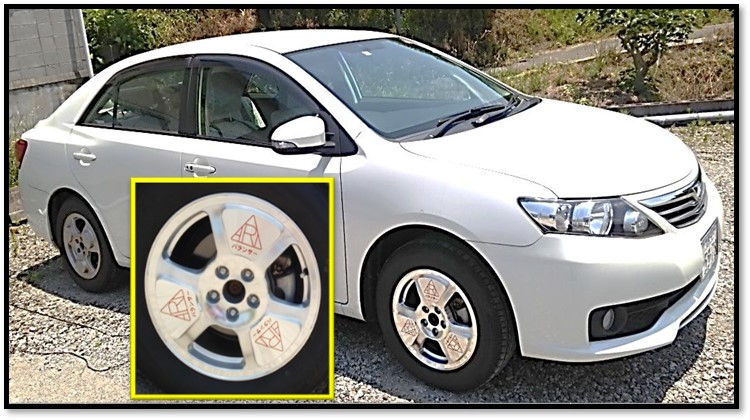
[Driving Data]
<Case of driving on public roads>
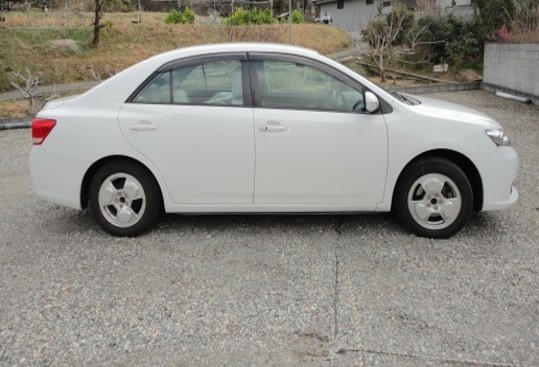
A Toyota Allion 1500cc was driven round trip over two days from Sonenji, Hirakata City, Osaka Prefecture, via Route 307 and over the mountains towards Ujitawara, to Otsu City, Shiga Prefecture (around Lake Biwa), covering a total distance of 218.8km.
After filling the tank completely with gasoline (it holds 11.38 liters), I calculated the actual fuel efficiency and was surprised to find that it was exactly the same as the catalog fuel efficiency figure!
The actual fuel efficiency was 19.226 km/L, the same as the listed JC08 mode figure of 19.2 km/L! Moreover, this figure includes a 5 km traffic jam along the way.
<Case of driving on an expressway>
Using the same car, a 396.1km round trip test was conducted on June 17th (Saturday), starting from the Keihan Expressway Hirakata East Interchange, exiting at the Fukui North Interchange on the Hokuriku Expressway, and driving a short distance on local roads to the parking lot of No. 8 Ramen.
Along the way, there was an accident just past the Yokaichi Interchange on the Meishin Expressway, which caused an 8km traffic jam that took an hour to get through. I got back on the expressway a little after 10am and arrived at the Fukui 8th Ramen parking lot around 1:50pm, making the total journey 3 hours and 50 minutes.
After lunch, we departed around 2:10 PM. The return trip was smooth, and we arrived back at the company around 5:00 PM, taking 2 hours and 50 minutes in total.With a full tank of gasoline (holds 16.86 liters), the actual fuel efficiency is calculated to be 23.49 km/L. Considering traffic jams due to accidents along the way, this is an overwhelmingly good result.
"postscript"
The temperature inside the vehicle was set to 26°C at all times. The outside temperature was between 28°C and 30°C, and the weather was mostly sunny.
Automatic balancer "Zero Shin" equipped Rundata
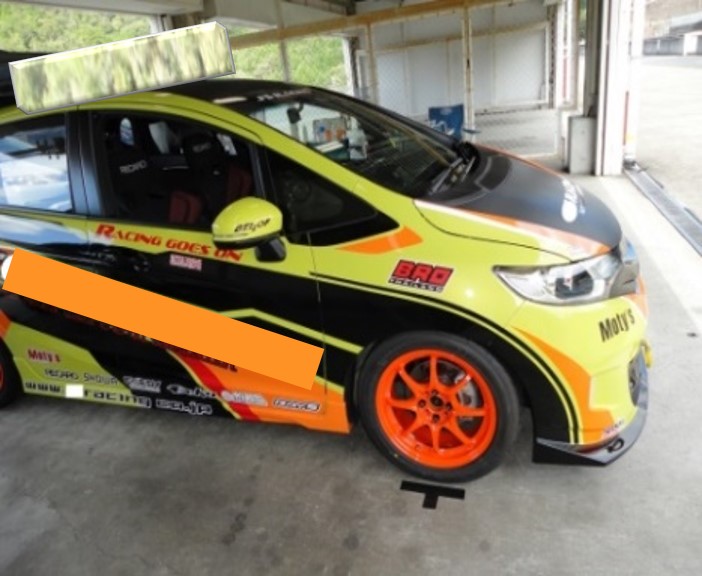
Standard wheels installed
Wheels equipped with the 3-point automatic balancer "Zero Shin"
Automatic balancer "Zero Shin" wheel
report
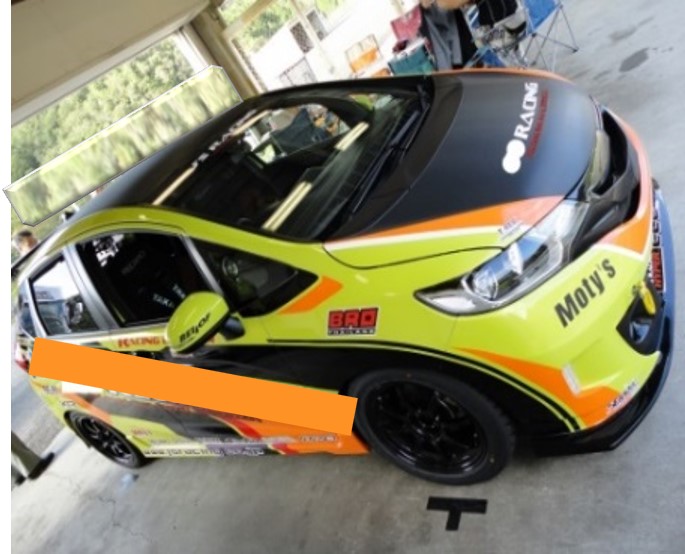
Test run at Central Circuit using a three-point adhesive balancer.
Date: October 7, 2014
Vehicle used: Honda Fit 1500cc
Balancer mass: @500g x 12 = 6kg
Circuit driving: 18 laps
ST = Standard aluminum wheel ZS = Automatic balancer "Zero Shin"
result
Total driving time from engine ON to OFF
ST: 34 minutes 59 seconds 55.0 ZS: 34 minutes 39 seconds 49.7
Total distance traveled
ST 49.5km ZS 49.4km
Fuel consumption on the odometer
ST 4.3km/ℓ ZS 4.3km/ℓ
Impressions from the witness
① The overall noise level during driving was noticeably lower with the ZS installed. (This was observed by the majority of visitors.)
② The ZS felt a little heavy when starting to drive. (Chairman A)
③ The ZS performs well in high-speed cornering, with smooth handling. (Chairman A)
④ The ZS performs the same as the ST in low-speed corners. (Chairman A)
⑤ I felt that the ZS had less vibration while driving. (Chairman A)
⑥ I expected the fuel efficiency to improve, but it didn't change. (The meter showed the same figure.)
ARI LLC's impressions and future initiatives (Yamamoto)
① Initially, it was noted that the cushioning effect of the tape when attaching the balancer's base to the wheel body with double-sided tape might halve the balancer's centering effect. However, in reality, I felt a slight weight when starting, and there was little change in the driving noise, suggesting that the structure does not allow driving vibrations to be directly transmitted to the balancer body when it is installed.
② When installing the automatic balancer, a special jig will be devised and installed to allow both ends of the balancer body to bite into the wheel body, making it appear as if it were an integrated unit. Even with the current bonding method, it will be necessary to verify the installation results after driving. (For example, checking for mounting marks of the "Zero Shin" automatic balancer on the wheel.)
③ When checking fuel efficiency this time, I thought that the automatic balancer "Zero Shin" took longer from engine ON to going out onto the course, but the result was actually shorter, and I think that the change in tire diameter during driving is influencing it, so further verification is needed.
④ As mentioned above, the interpretation of the total mileage is important. The automatic balancer "Zero Shin" is 100m shorter. Why is this? It is necessary to check what the mileage is taken from and whether it changes with the tire shape during driving. The effect of changes in tire shape (maximum diameter) with and without runout is important. Generally, ST has large runout vibrations and the distance from the ground to the rotation axis center is generally short. As a result, the average tire diameter is unstable and varies greatly. Consequently, driving vibrations are
⑤ Check how the fuel consumption is displayed on the odometer.
⑥ While the method for checking fuel efficiency is important, comparing the actual driving time from start to finish and the actual fuel consumption is even more important. When comparing the high-speed driving of the ST and ZS, it's natural that the ST cannot reach the same speed as the ZS (compared to a regular car). Whether or not such issues exist in this racing car's driving is something that needs to be considered, although it is probably very close to the best possible driving.
⑦ Finally, after driving the Allion for three laps, the average fuel efficiency changed from 22.2 km/l before the test to 19.2 km/l afterward. The top speed was 150 km/h, and it took 1 minute and 55 seconds to complete one lap, which is 16 seconds longer than the Fit's 1 minute and 39 seconds. Also, the interior automatic air conditioning was not turned off and was set to 22 degrees Celsius instead of the usual 26 degrees, so it is necessary to check if there is a connection.
⑧ Regardless of the unsprung weight issue, I felt that installing an integrated balancer on the Fit would yield the best results.
⑨ Wheels with balancer for the current Allion
Wheel weight: 7kg; Balancer weight: 3kg
Total weight 10kg
Wheels with adhesive balancers for current fitment
Wheel weight: 3kg; Balancer weight: 1.5kg
Total weight 4.5kg
Comparison of "mileage and actual fuel efficiency" data at various points after installing the same tires.
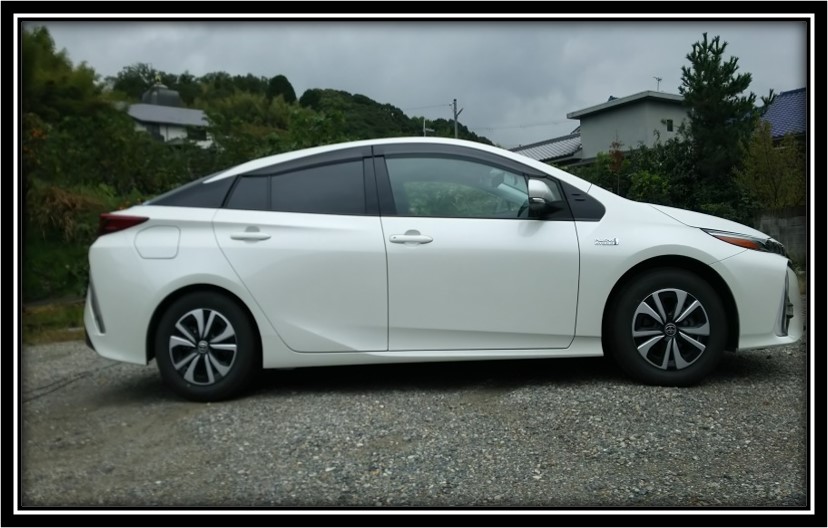
Vehicles equipped with standard wheels
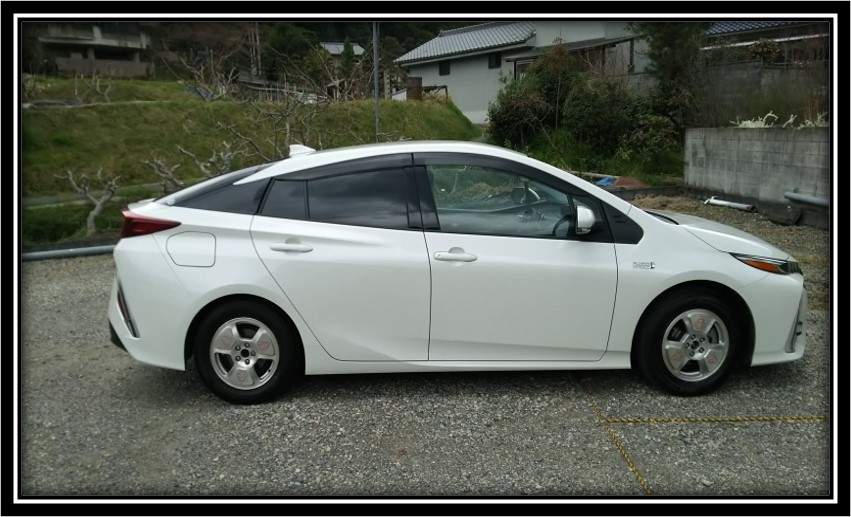
Vehicles equipped with automatic balancer "Zero Shin" wheels
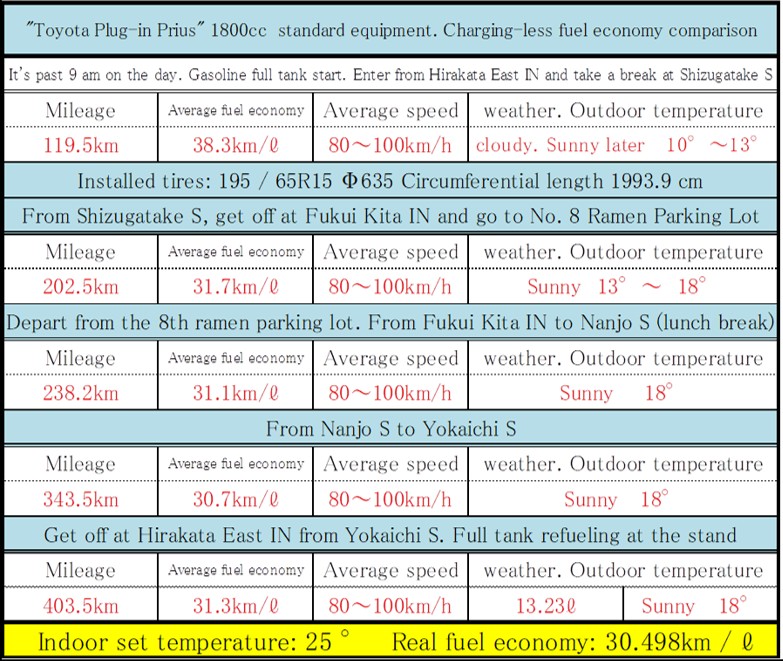
Toyota Plug-in Prius 1800cc (Standard) Fuel Economy Comparison Chart (Charging-Free)
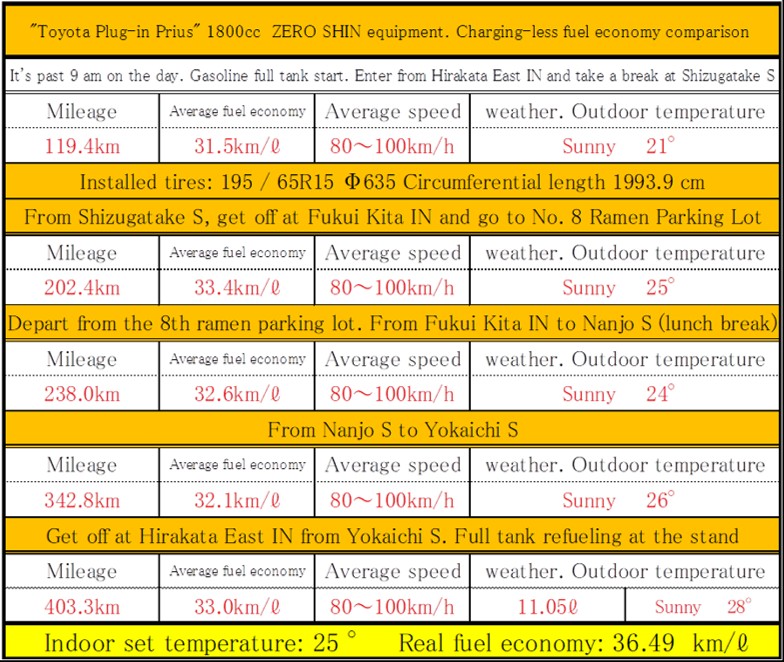
Toyota Plug-in Prius 1800cc with Zero Shin Equipped: Fuel Efficiency Comparison Chart (Charging-Free)
With zero-center wheels installed, the actual driving distance is shorter than the actual distance, and the effective fuel efficiency is equivalent to the JC08 value, compared to when standard wheels are installed.
Possibilities for any axis of rotation
・ Increased bearing wear time
・ Extended maintenance cycle
・ Reduction of lubricant
・ Reduced vibration due to uneven wear
・ Extended lifespan due to even wear of bearings
・ Reduces steering wheel vibration caused by vibrations.
・ Mitigating the risks of driving
・ Quietness inside the room
・ To improve fuel efficiency by 30%
・Reduce engine load
・ Reduces car vibration noise
・ Stability at high speeds
・ Extended tire life due to even tire wear
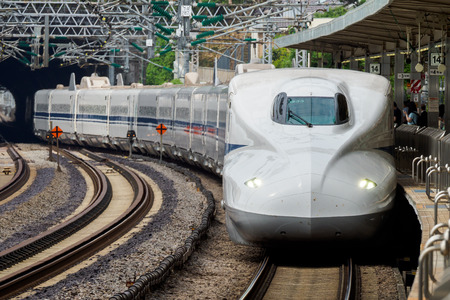
Achieving high-speed, stable operation of high-speed rail vehicles.
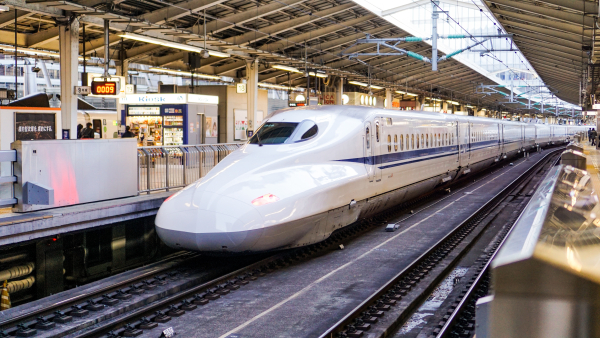

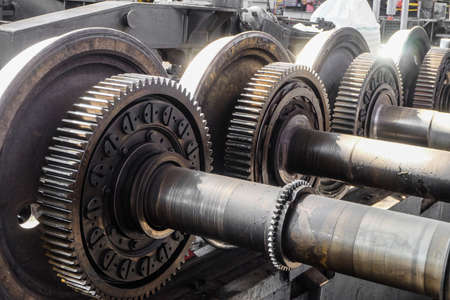
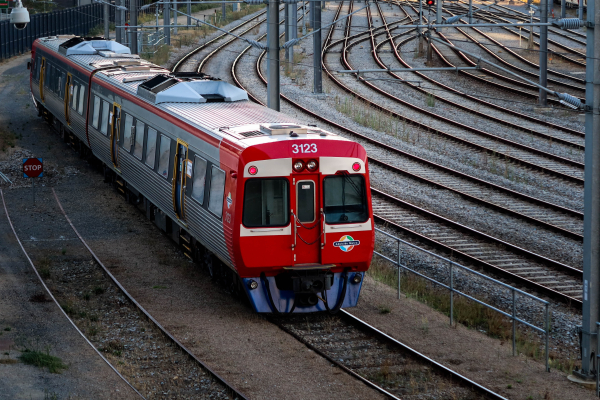
Reduced uneven wheel wear and rail damage when running on curves.